
At some point in the spiritual journey, many people hit a wall. Not a small wall — a complete collapse. Everything they thought they knew about themselves, their purpose, and the world dissolves. The spiritual path that once felt illuminating becomes a dark, disorienting place with no visible exit.
This experience has a name. Mystics, philosophers, and healers across centuries have written about it. Saint John of the Cross called it la noche oscura del alma — the dark night of the soul.
If you are in the middle of it right now, I want you to hear this: what you are experiencing is not the end. It is a threshold. And on the other side of it is a version of you that could not have existed before.
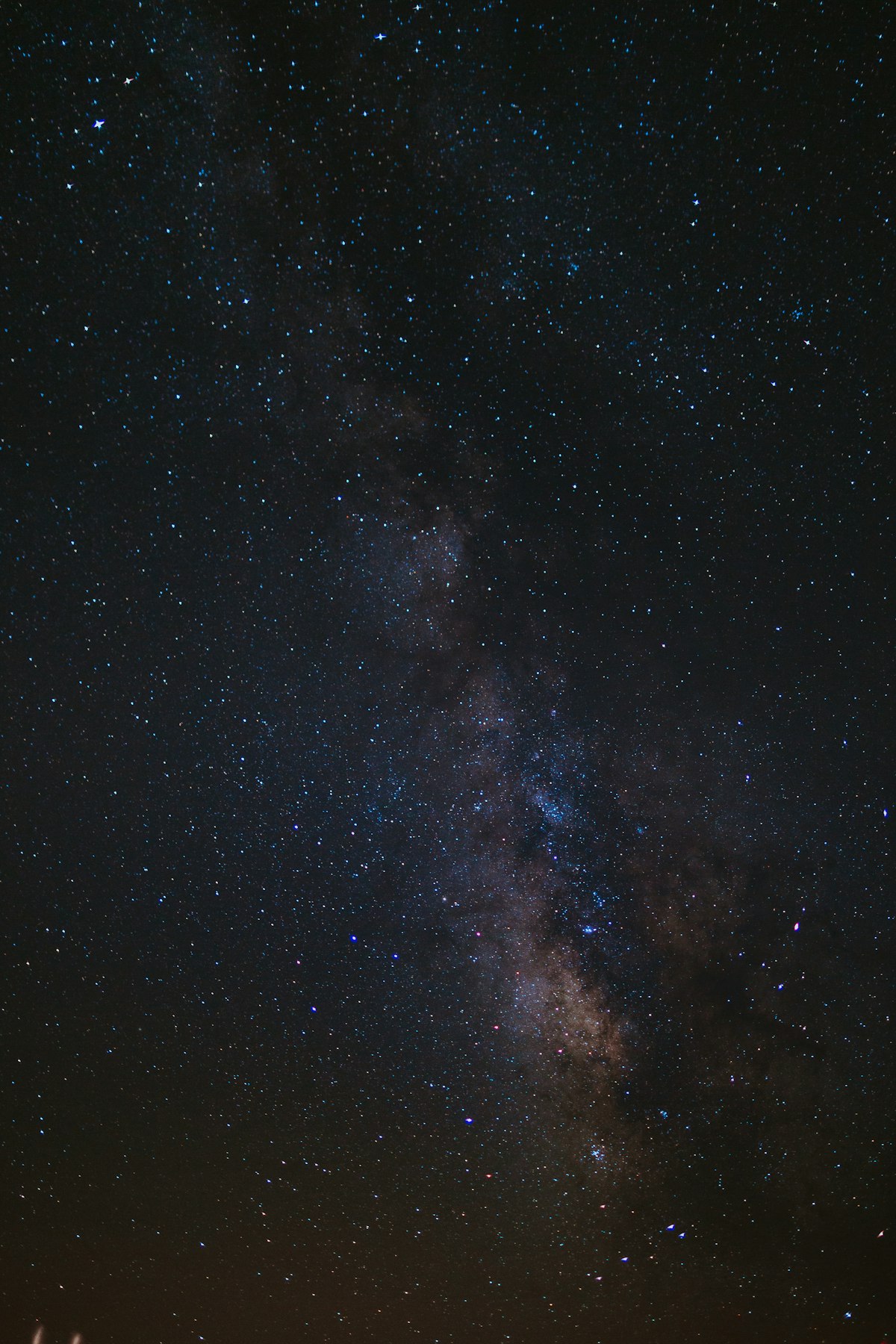
What Is the Dark Night of the Soul?
The dark night of the soul is a profound inner crisis that strips away everything you have used to construct your identity — your beliefs, your sense of purpose, your relationship with the divine, and often your will to continue. It is distinct from depression (though depression can co-occur) in that it is fundamentally a spiritual crisis rather than a clinical one.
Where a spiritual awakening might feel like a gentle (or turbulent) opening, the dark night feels like a complete extinguishing. The light that was present at the beginning of the awakening seems to vanish entirely. You are left in a kind of spiritual desolation that is unlike any ordinary sadness or grief.
The mystic Eckhart Tolle described his own dark night as a period of such intense suffering that he was no longer able to live with himself — and in that complete dissolution of the self, he found liberation. This is the paradox at the heart of the experience: the death of what you were is the precondition for becoming what you are meant to be.
How to Recognise It
The dark night is not simply a bad week or a period of sadness. It has particular qualities that distinguish it from ordinary suffering.
A Complete Loss of Meaning
The things that once gave your life purpose — your relationships, your work, your spiritual practice — feel utterly hollow. Practices that previously brought comfort (meditation, prayer, journaling) no longer seem to reach you. You go through the motions and feel nothing. This is not laziness or spiritual failure. It is the process of the ego structure dismantling itself.
A Sense of Total Isolation
Even in the company of people who love you, there is an impenetrable sense of aloneness. Not the productive solitude of an awakening, but a genuine feeling of being cut off — from others, from yourself, and from whatever higher power or sense of the sacred you previously felt connected to. One of my clients described it as “being in a glass box — I could see everyone but couldn’t reach them.”
The Dissolution of Your Former Identity
Who you thought you were no longer holds. The story you told about yourself — your roles, your achievements, your personality — no longer feels true or sufficient. This is deeply disorienting. If I am not who I thought I was, then who am I? The answer will come. But first, the old self must be fully released.
An Inability to Feel the Divine
For those with a spiritual practice or belief, one of the most painful aspects of the dark night is feeling entirely cut off from God, the universe, or whatever higher intelligence they previously felt guided by. Prayers feel unanswered. The universe feels indifferent. This silence is not abandonment. It is the divine asking you to find it in a deeper, more direct way — not through the intermediaries of ritual and concept, but through the bare ground of your own being.
Why Does It Happen?
The dark night is not punishment. It is not a sign that you have done something wrong or that your spiritual path has failed. It is, in fact, a sign of how far you have come.
It tends to arise when the ego — the constructed self built from conditioning, beliefs, and survival strategies — has reached the limit of what it can offer. The soul, having glimpsed something larger during the awakening process, begins to demand a more complete and authentic existence. The ego resists this dissolution fiercely. The dark night is the friction of that resistance.
It can also be triggered by major life transitions — the loss of a relationship, a career collapse, illness, grief, or any experience that dismantles your familiar structures. The outer collapse becomes the context for the inner one.
How to Survive the Dark Night of the Soul
1. Stop Trying to Fix It
The instinct when in pain is to solve it, escape it, or bypass it. The dark night cannot be solved. Every attempt to rush through it or find a shortcut tends to extend it. The practice is radical acceptance — not of despair as a permanent state, but of this moment as exactly what it needs to be. Resistance is the fuel of suffering here. Surrender is the path through.
2. Tend to Your Body
When the inner world is dissolving, the body becomes the most reliable ground available to you. Move it gently — walking in nature, slow yoga, swimming. Feed it simply and well. Sleep when you can. The nervous system carries enormous amounts of the material being processed during this time. Somatic care is not a distraction from the spiritual work — it is the spiritual work.
3. Do Not Isolate Completely
The dark night will pull you toward complete withdrawal. While some solitude is healthy and necessary, complete isolation amplifies the suffering and can slide into clinical depression. Stay in contact with at least one person who can hold space for you without trying to fix you. A skilled coach, healer, or therapist who understands this territory is invaluable — not to resolve the experience but to accompany you through it.
4. Release the Expectation of Feeling Good
We live in a culture that treats discomfort as a problem to be solved. The dark night will not be resolved by positive thinking, affirmations, or gratitude lists — not because those practices have no value, but because this is not the time for them. This is a time for honest reckoning, for sitting with what is real, for allowing the dismantling to complete itself. There is profound courage in that.
5. Trust the Process You Cannot Yet See
Every person I have worked with who has moved through a genuine dark night has emerged with capacities — for compassion, depth, presence, and authenticity — that were not available to them before. The darkness is not random. It is purposeful. You cannot see the shape of what is being built while you are in the demolition phase. But the building is happening.
“You are not being broken down. You are being broken open. There is a difference — and everything depends on knowing it.”
Nandita Parvinee Neerunjun, Realm of Guidance
When to Seek Additional Support
The dark night of the soul and clinical depression can look similar from the outside and often co-exist. If you are experiencing persistent thoughts of self-harm, inability to perform basic daily functions, or feelings of hopelessness that are intensifying rather than cycling, please reach out to a mental health professional in addition to any spiritual support you are receiving. Sacred work and clinical care are not opposites — they are companions.
If you are navigating this territory and feel called to work with someone who understands both the spiritual and somatic dimensions of this experience, I offer a Sacred Clarity Call where we can explore where you are and what kind of support would serve you best right now.
Key Takeaways
- The dark night of the soul is a spiritual crisis involving the dissolution of identity, meaning, and connection — distinct from but sometimes accompanied by clinical depression.
- It is not a sign of failure. It is a sign that transformation is underway at a profound level.
- Survival requires surrender rather than resistance, bodily care, connection rather than isolation, and trust in a process that cannot yet be seen.
- If symptoms include thoughts of self-harm or inability to function, please seek professional mental health support alongside spiritual guidance.
Continue reading: What Is a Spiritual Awakening? | 10 Signs You Are Going Through a Spiritual Awakening
About the Author
Nandita Parvinee Neerunjun is a certified life coach, NLP practitioner, somatic healing facilitator, and energy healer based in Mauritius. With over 200 lives transformed across 7 healing modalities, she specialises in guiding people through spiritual awakening, the dark night of the soul, and profound inner transformation. Author of Ask Your Soul and co-author of the international bestseller Inspired Connections. Book a Sacred Clarity Call →